Anxious Attachment Workbook 💞 KDP – A Guide to Healing and Secure Relationships
For many, the journey toward emotional security and healthier relationships begins with understanding how we connect with others—and ourselves. The Anxious Attachment Workbook 💞 KDP is designed for individuals who feel caught in cycles of fear, overthinking, and self-doubt. Whether you're navigating personal growth, working through past relationship patterns, or simply seeking more stability in your connections, this 120-page guide offers a structured, supportive path forward.
What Is the Anxious Attachment Workbook 💞 KDP?
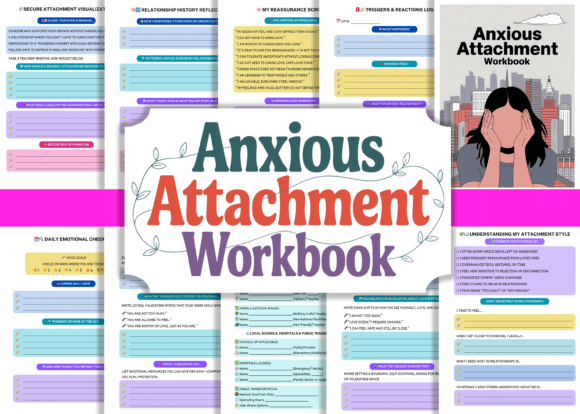
The Anxious Attachment Workbook 💞 KDP is more than just a book—it's a tool for self-discovery and transformation. It walks users through identifying their attachment style, recognizing emotional triggers, and developing practical strategies to build secure, fulfilling relationships. With exercises like trigger reaction logs, soothing strategies, and secure attachment visualizations, the workbook provides a safe space to explore deep-seated fears and learn new ways of relating to yourself and others.
It’s ideal for anyone who feels anxious in relationships, struggles with insecurity, or has experienced past trauma that affects their current interactions. The content is accessible, actionable, and tailored to help readers move from confusion to clarity, fear to calm, and uncertainty to trust.
Common Mistakes When Choosing or Using the Anxious Attachment Workbook 💞 KDP
While the Anxious Attachment Workbook 💞 KDP can be incredibly beneficial, there are several common pitfalls people encounter when selecting or using it. Being aware of these can help ensure a more effective experience.
- Not Taking Time to Explore Your Attachment Style: One of the first steps in the workbook is identifying your attachment style. Skipping this step can lead to a lack of direction and reduced effectiveness in the later exercises. Understanding your unique pattern is essential for meaningful progress.
- Using the Workbook as a Quick Fix: Many people expect immediate results, but healing is a gradual process. The workbook is meant to be used consistently, not rushed. Setting aside time each day or week can make a significant difference in outcomes.
- Overlooking the Importance of Self-Compassion: The workbook encourages self-awareness, but it also emphasizes self-compassion. Neglecting this aspect can lead to frustration and burnout. Be gentle with yourself as you work through the material.
- Ignoring the Role of External Support: While the workbook is a powerful resource, it’s not a substitute for professional guidance. If you’re dealing with severe anxiety or trauma, consider pairing your workbook use with therapy or counseling for better support.
How These Mistakes Can Affect Your Experience
Skipping key steps or rushing through the workbook can lead to incomplete understanding and limited benefits. Without a clear grasp of your attachment style, the exercises may feel disconnected or ineffective. Similarly, neglecting self-compassion can create resistance to the process, making it harder to stay committed.
On the other hand, using the workbook without external support might leave some individuals feeling isolated or overwhelmed. Trauma-informed care and professional guidance can provide additional tools and insight that the workbook alone may not offer.
Practical Advice for Success
To get the most out of the Anxious Attachment Workbook 💞 KDP, consider the following tips:
- Start with the Attachment Style Exploration: Take time to reflect on your early relationships, emotional responses, and core beliefs. This foundation will help you engage more deeply with the rest of the content.
- Set a Consistent Routine: Dedicate a specific time each day or week to work through the exercises. Even short, regular sessions can lead to meaningful change over time.
- Practice Self-Compassion: Treat yourself with the same kindness you would offer a friend. Celebrate small wins and acknowledge your efforts, no matter how minor they may seem.
- Seek Additional Support When Needed: Don’t hesitate to reach out to a therapist or counselor if you find certain topics challenging. They can provide personalized guidance and support.
- Use the Tools Creatively: The workbook includes a variety of exercises—some may resonate more than others. Feel free to adapt them to fit your unique needs and preferences.
What to Check Before Starting
Before diving into the Anxious Attachment Workbook 💞 KDP, take a moment to ask yourself a few important questions:
- Am I ready to explore my emotional patterns? Healing requires openness and willingness to confront uncomfortable truths. If you're not prepared, it may be helpful to start with lighter reading or self-reflection before committing to the full workbook.
- Do I have a stable environment for self-work? A quiet, distraction-free space can enhance your focus and make the process more effective.
- Have I considered professional support? If you're dealing with complex trauma or mental health challenges, consulting a licensed professional can complement your workbook journey.
- Am I willing to commit to the process? The workbook is designed for long-term use. Be honest with yourself about your ability to stay consistent and engaged.
Realistic Examples and Better Approaches
Imagine someone named Sarah who downloaded the Anxious Attachment Workbook 💞 KDP but struggled to see results after a few days. She tried to rush through the exercises, skipping the attachment style exploration and jumping straight to soothing strategies. As a result, she felt lost and discouraged.
A better approach would be for Sarah to take a few weeks to fully explore her attachment style, journaling about her childhood experiences and emotional triggers. Once she had a clearer understanding, she could then apply the soothing techniques with greater purpose and effectiveness.
Another example is Mark, who used the workbook without seeking additional support. He found himself stuck on certain exercises and unable to move forward. By incorporating therapy sessions, he gained new perspectives and tools that helped him progress more smoothly.
Conclusion
The Anxious Attachment Workbook 💞 KDP is a valuable resource for anyone looking to understand and heal from anxious attachment patterns. However, its success depends on thoughtful preparation, consistent effort, and a compassionate mindset. By avoiding common mistakes and embracing a holistic approach, you can unlock the full potential of this guide and take meaningful steps toward emotional security and healthier relationships.