Building Stronger Bonds: The Role of Family Therapy Workbooks in Modern Families
In today’s fast-paced world, where digital interactions often replace face-to-face conversations, the need for meaningful connection within families has never been more critical. Family therapy workbooks have emerged as a powerful tool to bridge this gap, offering structured yet flexible ways for families to improve communication, resolve conflicts, and nurture emotional well-being. Designed with both professionals and everyday families in mind, these resources provide a safe space for reflection, growth, and shared understanding.
The Evolution of Family Dynamics and the Rise of Family Therapy Workbooks
Families today are shaped by a complex mix of cultural shifts, technological advancements, and evolving social norms. With more people working remotely, managing multiple roles, and navigating diverse family structures, traditional methods of family bonding are being redefined. This shift has led to an increased demand for practical tools that help families adapt and thrive. Family therapy workbooks have become a key part of this movement, offering accessible solutions that can be used at home or in conjunction with professional guidance.
One of the most significant trends driving interest in family therapy workbooks is the growing emphasis on mental health and emotional intelligence. As individuals and families become more aware of the impact of unresolved emotions and poor communication, there’s a clear desire to address these issues proactively. These workbooks provide a structured approach to exploring family dynamics, making it easier for members to engage in self-reflection and collaborative problem-solving.
What Makes a Family Therapy Workbook Effective?
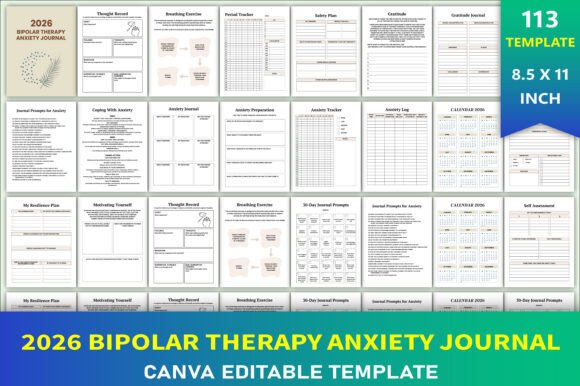
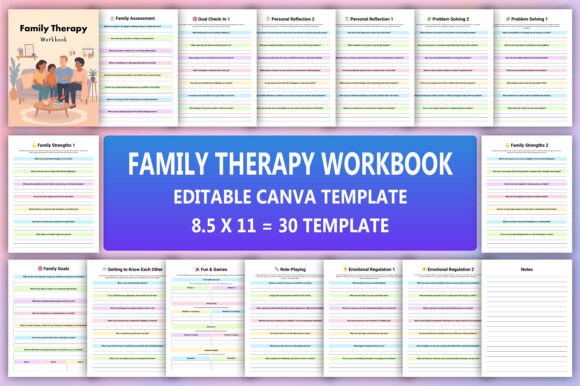
A great family therapy workbook is more than just a collection of exercises—it’s a comprehensive guide designed to foster deeper connections and lasting change. The best ones combine practical activities with thoughtful prompts that encourage open dialogue and mutual understanding. For example, the Family Assessment section helps families identify their unique communication styles, challenges, and areas for improvement. This foundational step sets the stage for more targeted interventions later on.
Another key component is the inclusion of Goal Setting exercises. By helping families define both short-term and long-term objectives, these workbooks empower them to take control of their relationships and create a roadmap for positive change. Whether it’s improving conflict resolution skills or strengthening emotional support systems, having clear goals makes the process more tangible and motivating.
Interactive Tools for Real-World Application
What sets many modern family therapy workbooks apart is their interactive nature. Rather than relying solely on theory, these resources offer hands-on activities that mirror real-life situations. Role-Playing Activities, for instance, allow family members to practice handling difficult conversations in a low-pressure environment. This not only builds empathy but also helps everyone feel more prepared when facing actual challenges.
Emotional Regulation Tools are another essential feature. In a world where stress and anxiety are common, these prompts provide families with strategies to manage their feelings in healthy ways. From mindfulness exercises to journaling prompts, these tools help members develop greater emotional awareness and resilience.
Empowering Through Strengths and Gratitude
While addressing conflicts and challenges is important, it’s equally vital to focus on what brings families together. Strengths-Based Exercises encourage families to identify and celebrate their unique qualities, fostering a sense of pride and unity. By highlighting individual and collective strengths, these activities help build confidence and reinforce positive behaviors.
Gratitude Practice is another powerful element found in many family therapy workbooks. Regularly acknowledging each other’s contributions and expressing appreciation can significantly enhance family morale and cohesion. Simple practices like sharing one thing they’re grateful for each day can create a culture of kindness and positivity that lasts beyond the workbook itself.
Practical Implications for Families and Professionals
For families, the benefits of using a family therapy workbook extend beyond immediate conflict resolution. These resources provide a framework for ongoing growth, helping members develop healthier communication patterns and stronger emotional bonds. They also serve as a valuable tool for parents looking to model constructive behavior for their children.
Professionals, such as therapists and counselors, often recommend family therapy workbooks as a supplement to their sessions. These workbooks can be used between appointments to reinforce therapeutic insights and encourage continued progress. They also offer a cost-effective solution for families who may not have access to regular therapy services.
Design and Accessibility: Making It Work for Everyone
Modern family therapy workbooks are designed with user experience in mind. Many include editable Canva links, allowing users to customize the content to fit their specific needs and preferences. This flexibility ensures that the workbook remains relevant and engaging for different family structures and lifestyles.
Additionally, the availability of high-quality PDF files, JPG images, and other downloadable formats makes these resources highly versatile. Whether printing for use at home or sharing digitally with extended family members, the ease of access ensures that the tools are available whenever and wherever they’re needed.
Looking Ahead: The Future of Family Therapy Workbooks
As society continues to evolve, so too will the role of family therapy workbooks in supporting healthy family relationships. With increasing awareness of mental health and the growing importance of emotional intelligence, these resources will likely become even more integral to family life. They offer a practical, accessible, and effective way to navigate the complexities of modern family dynamics.
Ultimately, the power of a family therapy workbook lies in its ability to bring people together—fostering understanding, empathy, and lasting connection. Whether used independently or in collaboration with a therapist, these tools provide a foundation for building stronger, more resilient families in an ever-changing world.